darb is in development across five markets in the region. See the footprint

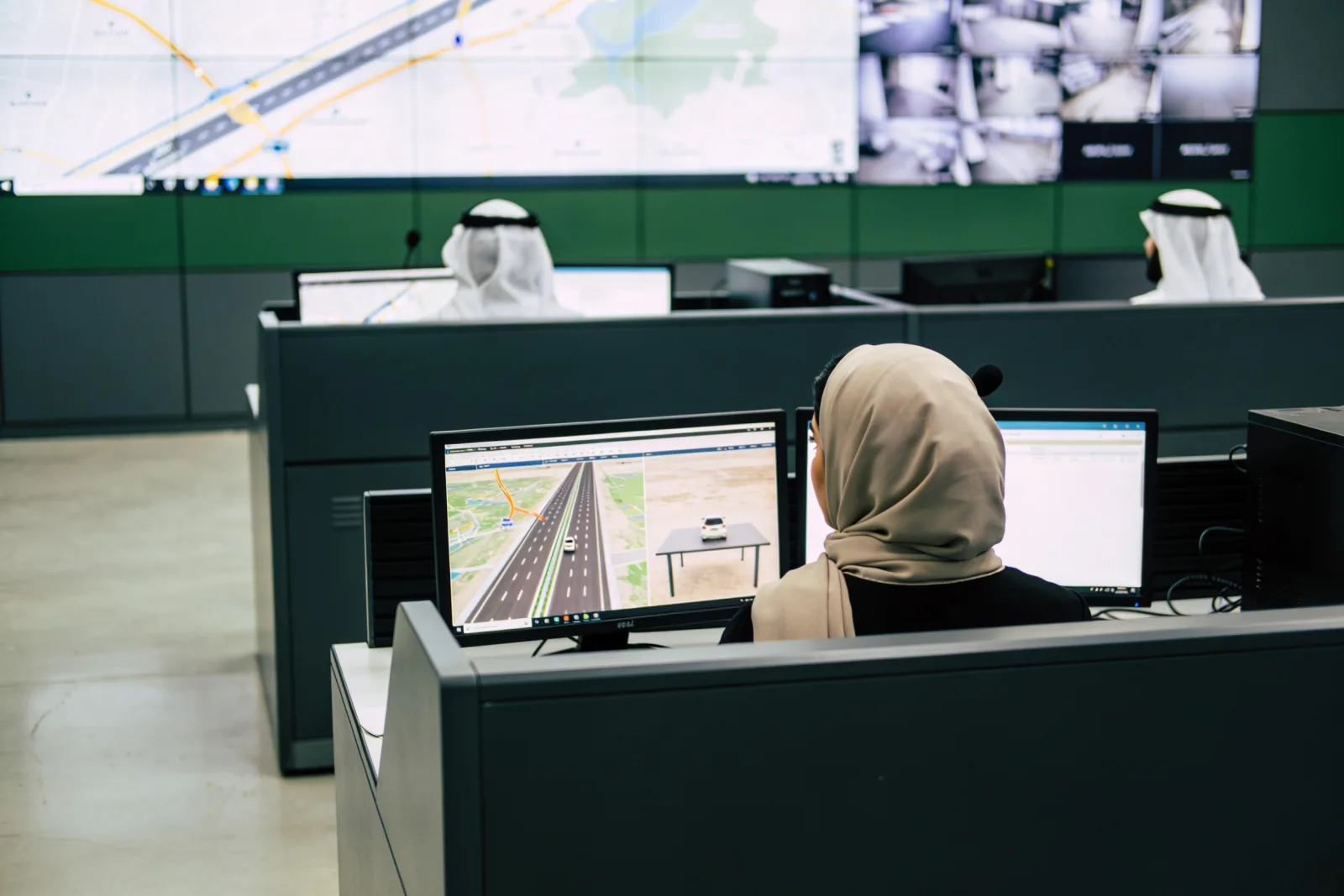
A government control room at night, wall displays showing live road data

Public vehicles, held to a published standard.

The vehicles a public body runs are paid for in public and seen in public. darb gives the people responsible for them one record of where those vehicles went, what they did, and whether the service met the standard set for it.

An oversight body does not need more reports. It needs the record the operator is already working from.

A report is a claim about the past, written by the party being reviewed. It arrives late, it arrives in a format nobody agreed on, and reconciling it costs more than reading it.

darb writes one record at the vehicle and gives each party the view its role allows. The operator runs the fleet, the department checks the service, the supervising body reviews the category. Nobody retypes anybody else's numbers.

The same record, read three ways.

Own the fleet

Municipalities and utilities

Refuse trucks, water tankers, maintenance units and staff transport, measured against the round each one was sent out to complete.

  • Coverage against the assigned round
  • Asset custody as vehicles move between departments
  • Fuel accountability down to the individual vehicle
  • Usage reporting by department and by period
Run the service

Public transport authorities

Buses and shared vehicles measured against the timetable that was published, not against the one that was intended.

  • Adherence and headway against the published timetable
  • Dwell time at each stop along the route
  • Vehicle readiness before the first service of the day
  • Incident reconstruction from the trip record

Supervise the category

Regulators and inspectorates

A whole class of vehicle across every operator in the market, without asking each operator for a spreadsheet.

  • Compliance by category, corridor and operator
  • Certified device registry and installation records
  • Roadside checks answered from the live record
  • Cases built from evidence rather than from complaints

Evidence that survives a review.

A number is only useful to a public body if it can be defended a year later, by someone who was not there.

  1. Captured at the vehicle

    Position, speed, engine state and sensor readings are written and time stamped at the vehicle, before any network is involved. A vehicle out of coverage stores its record and sends it when it returns.

  2. Stored as received

    Each record is kept in the form it arrived in. A correction is written as a new entry and the original stays readable underneath it.

  3. Attributable

    Every view, export and change carries the account that made it, the time, and the reason given. Access is granted by role and reviewed like any other control.

  4. Retained and portable

    History is held for the period your own policy sets, in the jurisdiction it names, and leaves in an open format your existing systems can read.

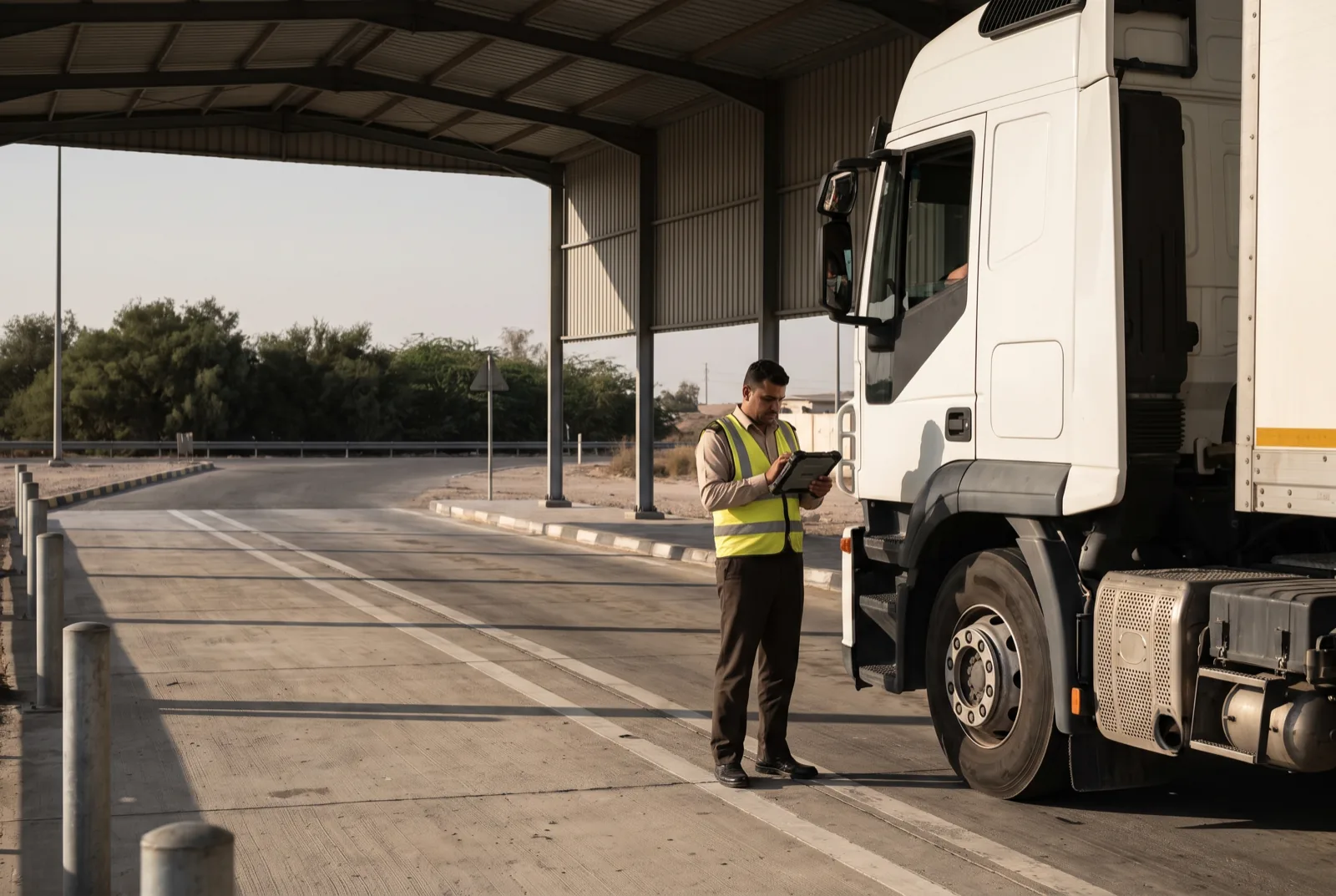
A roadside inspection point, an officer checking a heavy vehicle

The check takes a minute.

An inspector at a weighbridge or a checkpoint enters a plate and gets the vehicle's device status, its recent trips and its operator, from the same record the operator is looking at.

  • Plate, device and operator resolved in one lookup
  • Works on a handheld at the roadside, and offline when the network drops
  • The result of the check written back to the vehicle's history
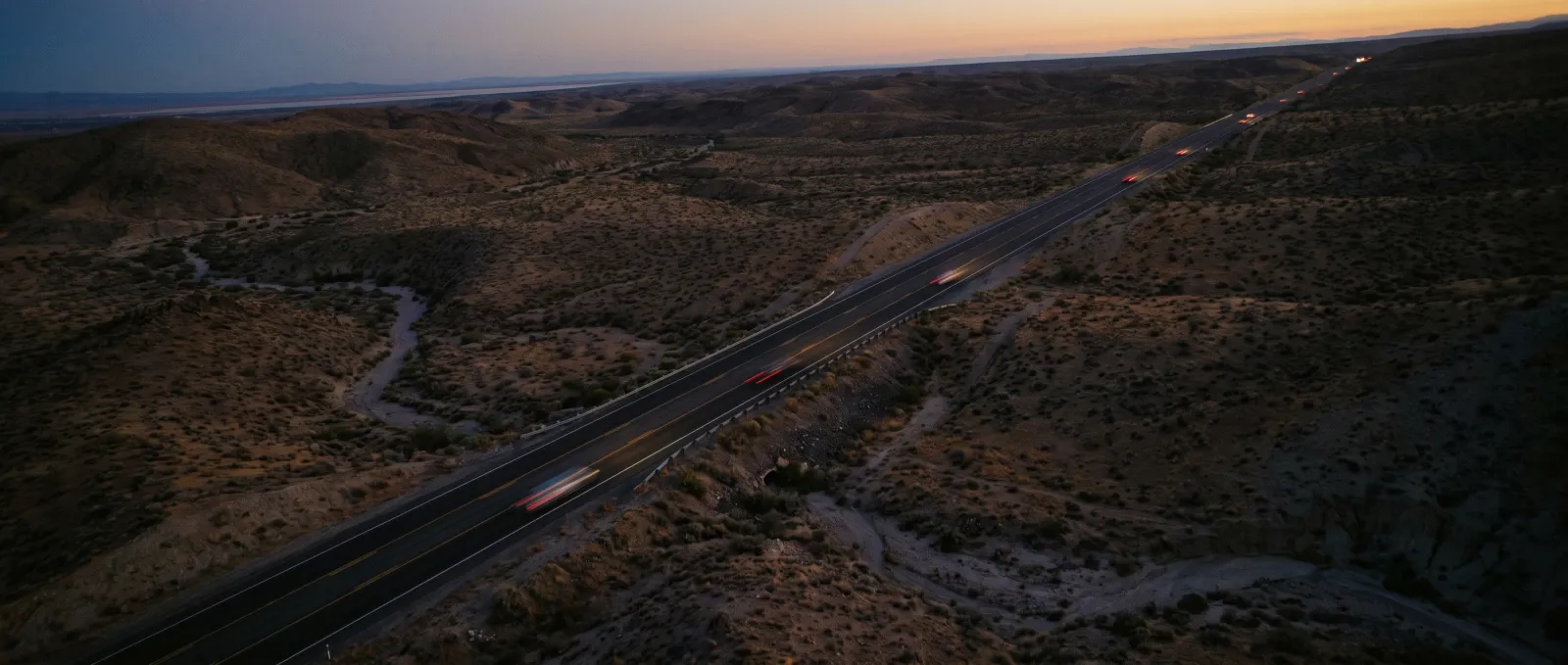
An interchange seen from directly above, traffic threading the ramps

Bring darb to your department.

We work with operators, ministries and regulators to put one record behind every commercial vehicle on the road.

Tell us about your fleet.

Send us the shape of the problem and we will come back with what darb would cover, what it would not, and what a first deployment looks like.

darb@driveterra.com

We use these details to reply to your enquiry and for nothing else.